

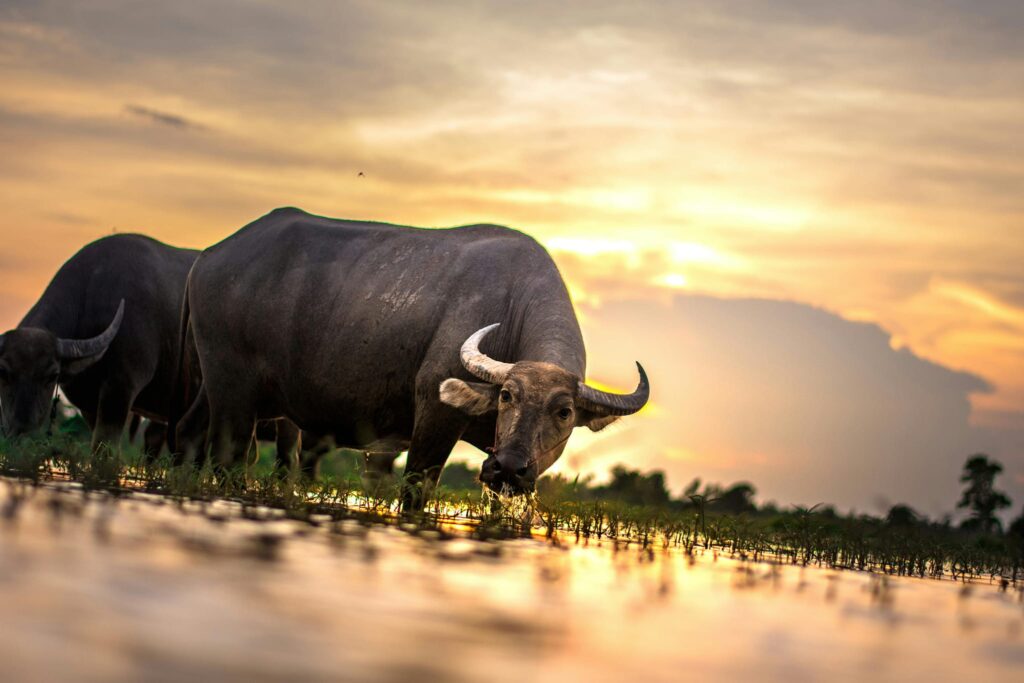
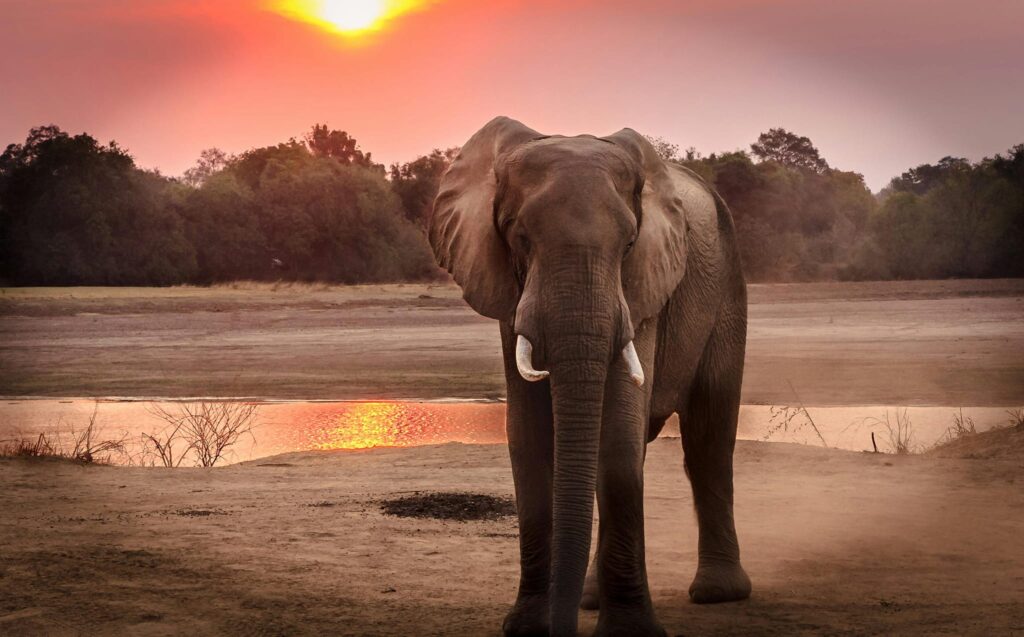
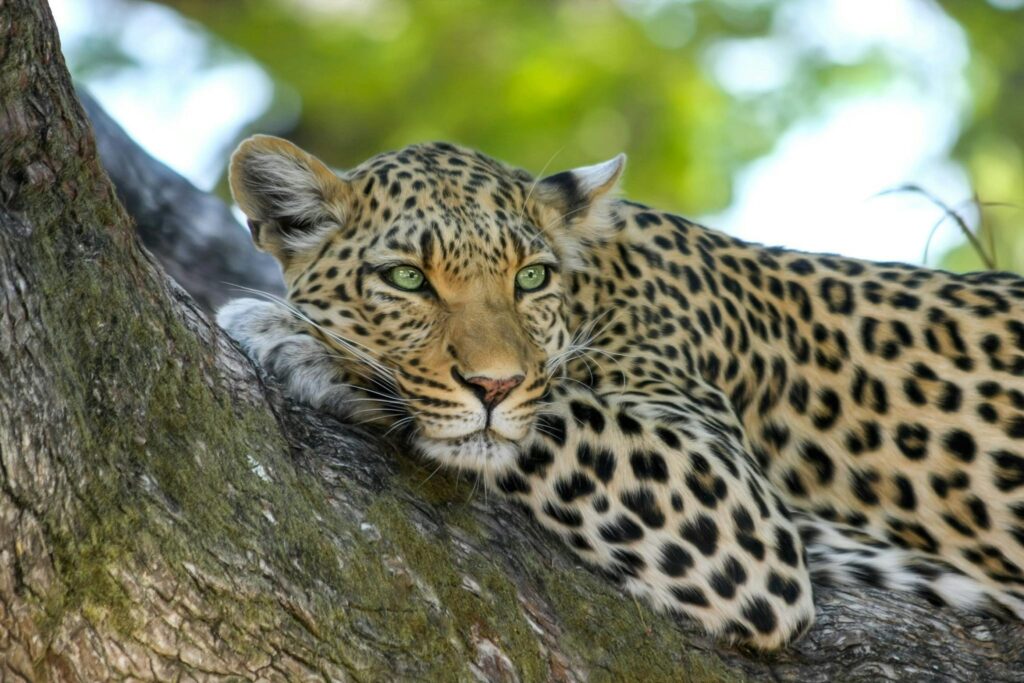
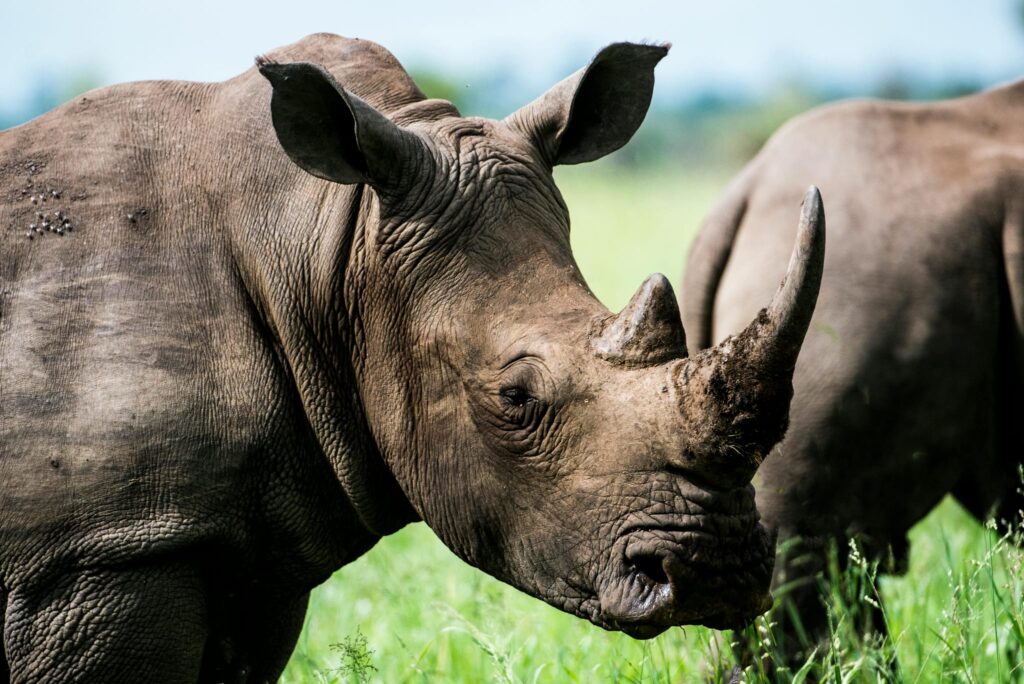
South Africa is synonymous with the Big Five—lion, leopard, elephant, buffalo, and rhinoceros. These majestic animals are not only a symbol of the country’s rich wildlife heritage but also a major draw for tourists seeking the ultimate safari experience. On Day 8 of our journey through South Africa’s natural wonders, we’ll explore the best places to see the Big Five and tips for making the most of your safari adventure.
What Are the Big Five?
The term “Big Five” was originally coined by big-game hunters to describe the five most difficult animals to hunt on foot. Today, it’s used by wildlife enthusiasts and safari-goers to refer to these magnificent creatures, which are now protected and celebrated in conservation areas across Africa. Seeing the Big Five in their natural habitat is a bucket-list experience for many travelers.
Top Destinations to See the Big Five in South Africa
1. Kruger National Park
Location: Limpopo and Mpumalanga provinces
Best Time to Visit: May to September (dry season)
Kruger National Park is the crown jewel of South African safaris and one of the best places in the world to see the Big Five. Covering nearly 20,000 square kilometers, Kruger is home to a diverse range of ecosystems, from dense bushveld to open savannahs, providing the perfect backdrop for spotting lions, elephants, and more.
Why Visit:
- High Density of Wildlife: Kruger has a high concentration of Big Five animals, increasing your chances of sightings.
- Variety of Accommodation: From luxury lodges to budget-friendly campsites, Kruger offers options for every traveler.
- Self-Drive or Guided Tours: You can explore Kruger at your own pace with a self-drive safari or join a guided tour for expert insights.
2. Sabi Sands Game Reserve
Location: Adjacent to Kruger National Park
Best Time to Visit: May to September (dry season)
Sabi Sands is a private game reserve bordering Kruger National Park, renowned for its luxurious lodges and incredible Big Five sightings. The lack of fences between Sabi Sands and Kruger allows animals to move freely, offering guests an exclusive and intimate safari experience.
Why Visit:
- Exclusive Safari Experience: With limited visitors allowed, Sabi Sands provides a more personal and less crowded experience.
- Leopard Sightings: Sabi Sands is particularly famous for its leopard sightings, one of the most elusive members of the Big Five.
- Luxury Lodges: The reserve is home to some of the most luxurious lodges in South Africa, offering top-notch service and amenities.
3. Hluhluwe-iMfolozi Park
Location: KwaZulu-Natal Province
Best Time to Visit: May to September (dry season)
Hluhluwe-iMfolozi Park is one of South Africa’s oldest game reserves and played a crucial role in saving the white rhinoceros from extinction. The park’s rolling hills and diverse landscapes make it a stunning destination for Big Five safaris.
Why Visit:
- Conservation Success Story: Hluhluwe-iMfolozi is famous for its rhino conservation efforts, offering excellent opportunities to see both white and black rhinos.
- Fewer Crowds: Compared to Kruger, Hluhluwe-iMfolozi is less crowded, allowing for a more relaxed safari experience.
- Proximity to Durban: The park is easily accessible from Durban, making it a convenient option for those traveling along the east coast.
4. Pilanesberg National Park
Location: North West Province
Best Time to Visit: May to September (dry season)
Pilanesberg National Park is a malaria-free reserve located near Johannesburg and Pretoria, making it a popular choice for those who want to see the Big Five without traveling too far from the city. The park’s unique location within an extinct volcanic crater adds to its appeal.
Why Visit:
- Malaria-Free Zone: Pilanesberg is ideal for families and travelers who prefer to avoid malaria-risk areas.
- Close to Sun City: Combine your safari with a visit to the nearby Sun City resort, known for its entertainment options and luxury accommodations.
- Varied Landscapes: The park’s diverse habitats support a wide range of wildlife, making for exciting game drives.
5. Addo Elephant National Park
Location: Eastern Cape Province
Best Time to Visit: May to September (dry season)
Addo Elephant National Park is the third-largest national park in South Africa and is famous for its large elephant population. The park has expanded to include a marine reserve, offering visitors the chance to see the “Big Seven”—the Big Five plus the southern right whale and the great white shark.
Why Visit:
- Elephant Encounters: Addo is home to over 600 elephants, making it one of the best places to see these gentle giants up close.
- Marine Safari: The park’s coastal extension allows for unique wildlife viewing, including whales and sharks.
- Family-Friendly: Addo is a malaria-free park, making it a great option for families with young children.
Tips for a Successful Big Five Safari
- Plan Ahead: Research the best time to visit each park for optimal wildlife viewing and book your accommodation early, especially during peak seasons.
- Go on Guided Drives: While self-drive safaris offer flexibility, guided drives with experienced rangers often lead to better sightings and insights into animal behavior.
- Be Patient: Wildlife sightings can be unpredictable, so be patient and enjoy the overall experience of being in nature.
- Respect the Wildlife: Always maintain a safe distance from animals, and follow the park’s rules to ensure your safety and the protection of the wildlife.
- Pack Wisely: Bring essentials like binoculars, a camera, sunscreen, and plenty of water to enhance your safari experience.
Conclusion
Seeing the Big Five in South Africa is a thrilling and unforgettable experience. Whether you choose to explore the vast landscapes of Kruger National Park, the luxury of Sabi Sands, or the conservation success story of Hluhluwe-iMfolozi, each destination offers a unique perspective on South Africa’s incredible wildlife. So, pack your bags, grab your camera, and get ready for the adventure of a lifetime in the heart of the African bush.

The Weekend Wanderlust: 5 Types of Tourists You’ll Definitely Meet (And Which One Are You?)
Ah, Friday! The sweet gateway to the weekend, where the urge to escape reality and…
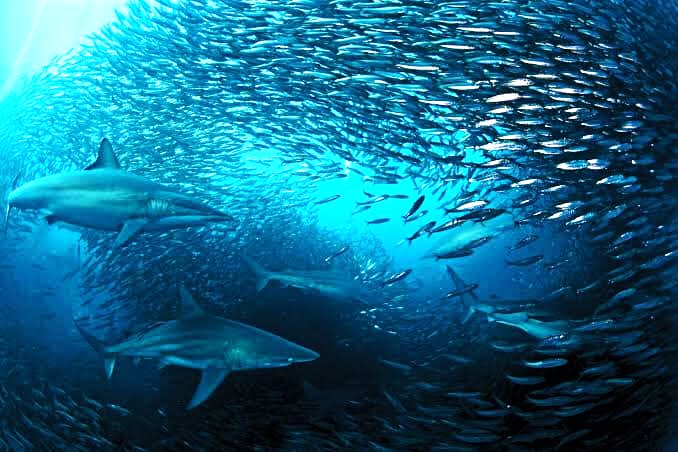
The Sardine Run: South Africa’s Greatest Shoal Show!
Imagine millions—yes, millions—of shimmering sardines moving as one, fleeing for their lives in the ultimate…
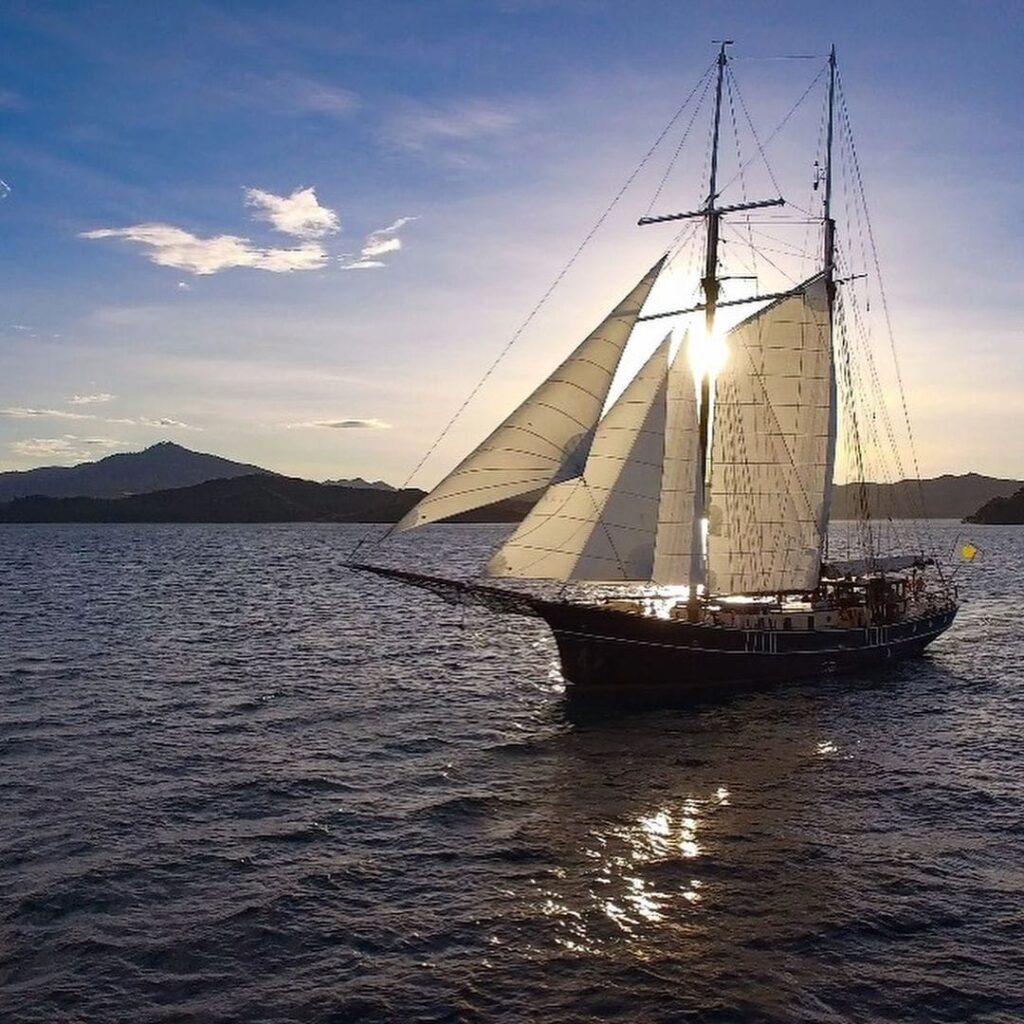
Embark on an Unforgettable Adventure: Join the Luna Moon Sailing Academy Internship!
Are you dreaming of a life at sea, exploring remote islands, and building a career…

Year-End Functions: Set Sail for the Best Company Bash Ever!
Ah, the year-end function—where office legends are born, karaoke machines die, and bosses reveal their…
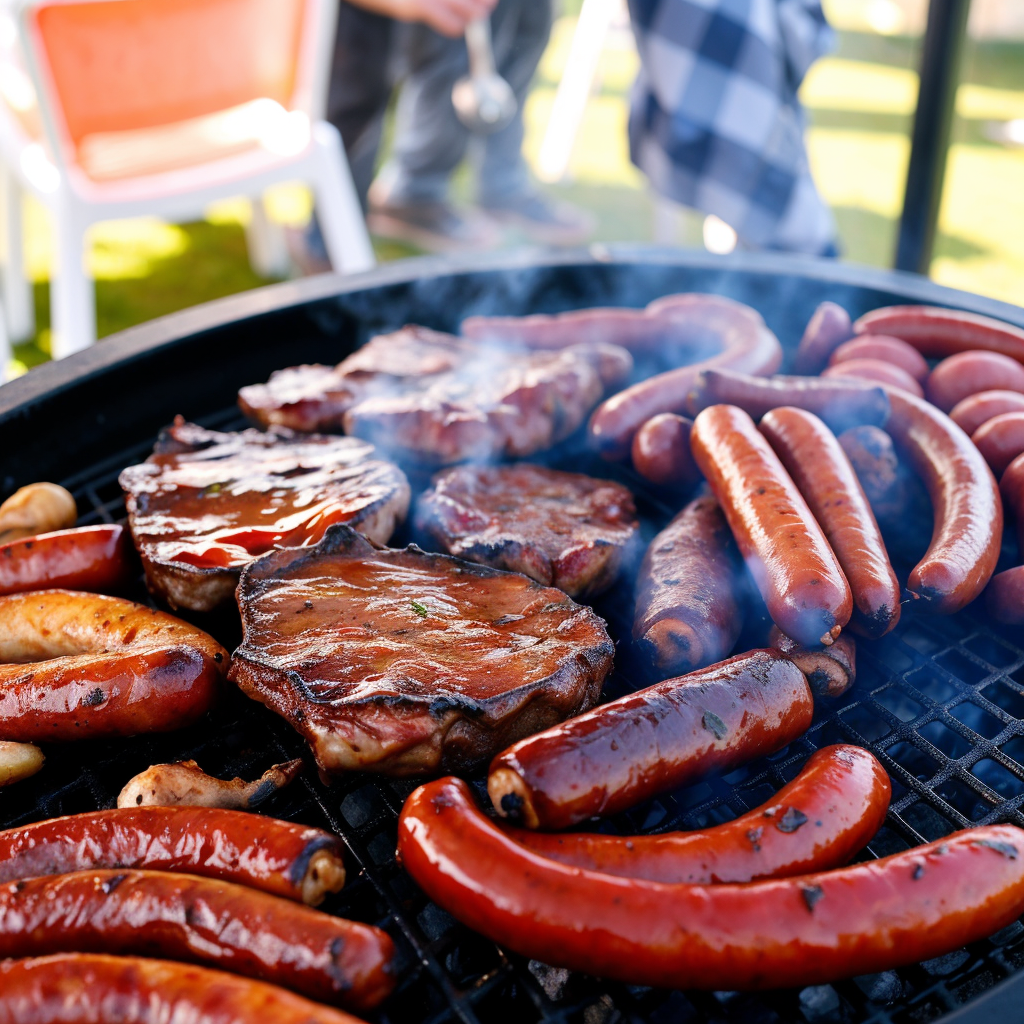
Celebrating Heritage Day in South Africa: A Braai-tiful Adventure
Ah, Heritage Day! The one day of the year where South Africans put aside their…
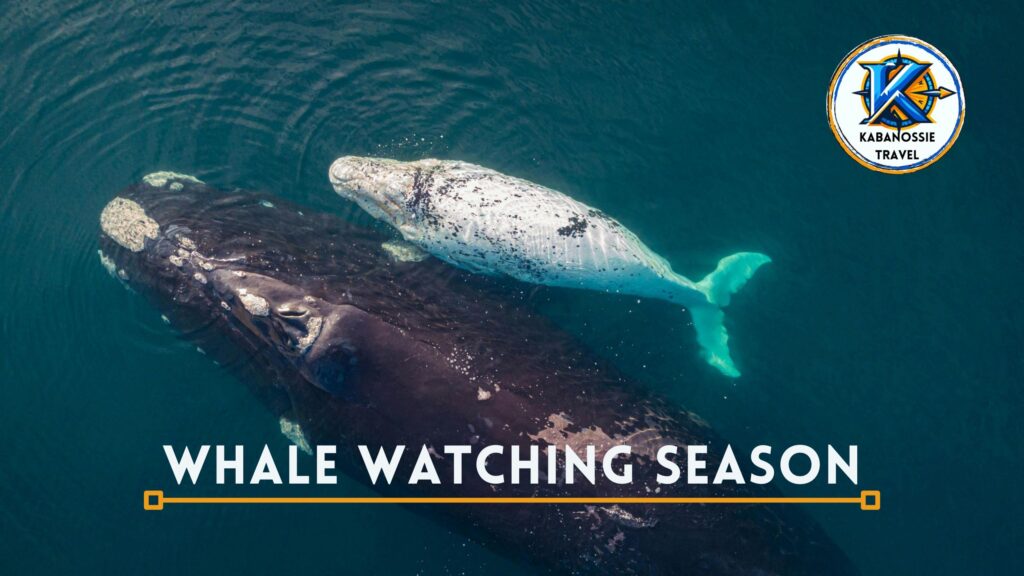
A Whale of a Time in Mossel Bay: Spotting Snow White and Snowflake
Picture this: you’re enjoying a peaceful whale-watching cruise, gazing at the majestic Southern Right Whales…
The Weekend Wanderlust: 5 Types of Tourists You’ll Definitely Meet (And Which One Are You?)
Ah, Friday! The sweet gateway to the weekend, where the urge to escape reality and…
The Sardine Run: South Africa’s Greatest Shoal Show!
Imagine millions—yes, millions—of shimmering sardines moving as one, fleeing for their lives in the ultimate…
Embark on an Unforgettable Adventure: Join the Luna Moon Sailing Academy Internship!
Are you dreaming of a life at sea, exploring remote islands, and building a career…
Year-End Functions: Set Sail for the Best Company Bash Ever!
Ah, the year-end function—where office legends are born, karaoke machines die, and bosses reveal their…
Celebrating Heritage Day in South Africa: A Braai-tiful Adventure
Ah, Heritage Day! The one day of the year where South Africans put aside their…
A Whale of a Time in Mossel Bay: Spotting Snow White and Snowflake
Picture this: you’re enjoying a peaceful whale-watching cruise, gazing at the majestic Southern Right Whales…