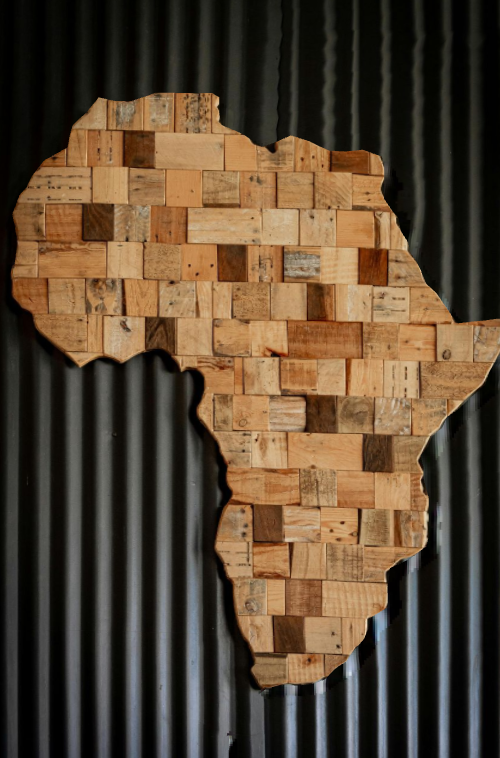
South Africa is unique in having not one, but three capital cities, each with its own distinct character and role in the country’s governance and identity. On Day 7 of our exploration of South Africa’s major cities, we’ll dive into the fascinating differences and similarities between Pretoria, Cape Town, and Bloemfontein—South Africa’s administrative, legislative, and judicial capitals, respectively.
Pretoria: The Administrative Capital
Pretoria, located in the northern part of Gauteng Province, is the administrative capital of South Africa. Known as the “Jacaranda City” because of the thousands of jacaranda trees that bloom in vibrant purple each spring, Pretoria is home to the Union Buildings, the official seat of the South African government and the office of the President.
Key Attractions:
- Union Buildings: Designed by Sir Herbert Baker, the Union Buildings are not only the seat of government but also a symbol of peace and unity in South Africa. The surrounding gardens offer panoramic views of the city and are a popular spot for picnics and photographs.
- Voortrekker Monument: This massive granite structure commemorates the Voortrekkers who left the Cape Colony in the 19th century. The monument is a key site for understanding Afrikaner heritage and history.
- Freedom Park: This heritage site honors those who contributed to South Africa’s liberation struggle and is a place of reflection and remembrance.
Character:
Pretoria’s character is defined by its role as a government hub, but it also boasts a rich cultural history and a slower pace compared to Johannesburg. The city is a blend of historic architecture, leafy suburbs, and academic institutions, including the University of Pretoria.
Cape Town: The Legislative Capital
Cape Town, often called the “Mother City,” is South Africa’s oldest city and the legislative capital. Located at the southwestern tip of the country, Cape Town is famed for its stunning natural beauty, including Table Mountain, its rich history, and its vibrant cultural scene. The South African Parliament is housed in the city, making it the legislative heart of the nation.
Key Attractions:
- Table Mountain: This iconic landmark offers breathtaking views of the city and the Atlantic Ocean. Visitors can hike up or take a cable car to the summit.
- Robben Island: A UNESCO World Heritage Site, Robben Island is where Nelson Mandela was imprisoned for 18 years. Tours provide deep insights into South Africa’s apartheid history.
- V&A Waterfront: A bustling shopping, dining, and entertainment area that also serves as a gateway to Robben Island.
Character:
Cape Town’s character is a mix of historical significance, cultural diversity, and natural splendor. It’s a city where modernity meets tradition, and the past is ever-present in its architecture, museums, and people. Cape Town is also known for its laid-back lifestyle, making it a favorite destination for both locals and international tourists.
Bloemfontein: The Judicial Capital
Bloemfontein, also known as the “City of Roses,” is the judicial capital of South Africa, housing the country’s Supreme Court of Appeal. Located in the Free State Province, Bloemfontein is often overlooked by tourists, but it offers a quiet charm and a wealth of historical and cultural sites.
Key Attractions:
- Supreme Court of Appeal: The highest court in South Africa for non-constitutional matters, the building is a symbol of justice in the country.
- Naval Hill: This hill offers stunning views of the city and is home to the Franklin Game Reserve, one of the few urban wildlife reserves in the world.
- The National Museum: Established in 1877, this museum offers exhibits on natural history, cultural history, and art, making it a significant educational resource.
Character:
Bloemfontein’s character is defined by its role as a judicial center and its tranquil, small-town atmosphere. The city is known for its academic institutions, such as the University of the Free State, and its extensive gardens and parks, giving it a relaxed, family-friendly vibe.
Comparing the Capitals
While Pretoria, Cape Town, and Bloemfontein each serve a different purpose in South Africa’s governance, they share a common thread of being steeped in history and culture. Pretoria is a city of governance and tradition, with a calm, stately atmosphere. Cape Town is dynamic, with a focus on nature, culture, and history, attracting visitors with its scenic beauty and vibrant lifestyle. Bloemfontein, though quieter, offers a peaceful retreat with deep historical roots and a strong sense of community.
Each capital city offers a unique perspective on South Africa’s past and present, making them essential stops for anyone looking to understand the full breadth of the country’s identity. Whether you’re interested in politics, history, or simply exploring different facets of South African life, these three capitals provide a comprehensive view of what makes the nation so diverse and fascinating.
Explore our different trips

Child-friendly (5 Trips)
Nature Walk (4 Trips)
Weekend Trips (4 Trips)

Adventure Travel (7 Trips)
Nature Based Adventure (7 Trips)
Vacation Rental (4 Trips)
Adventure Cruises (5 Trips)