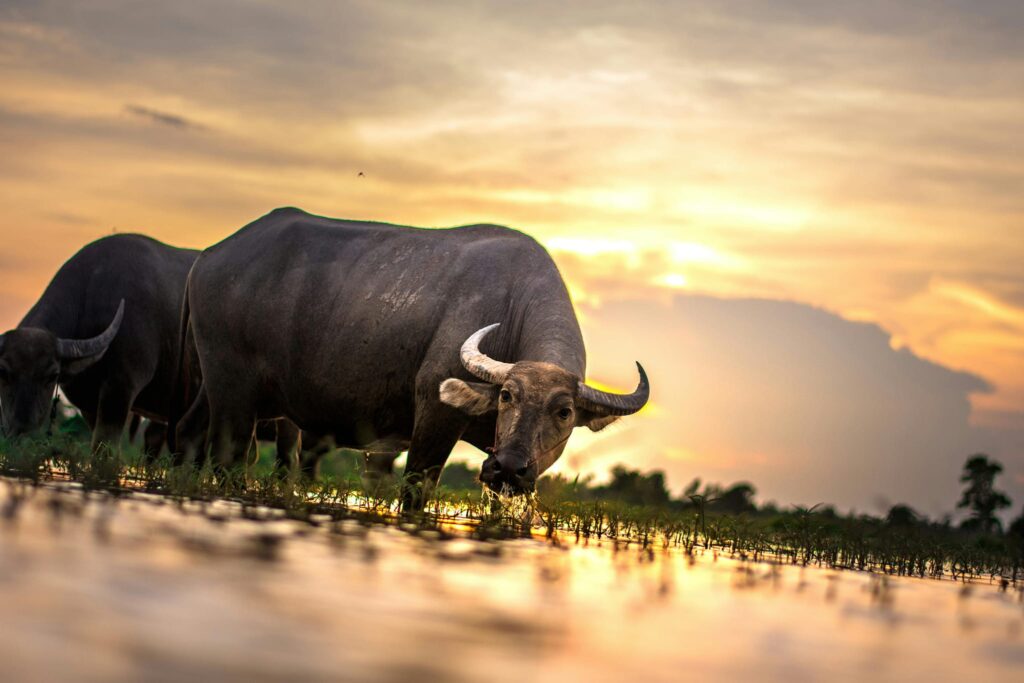
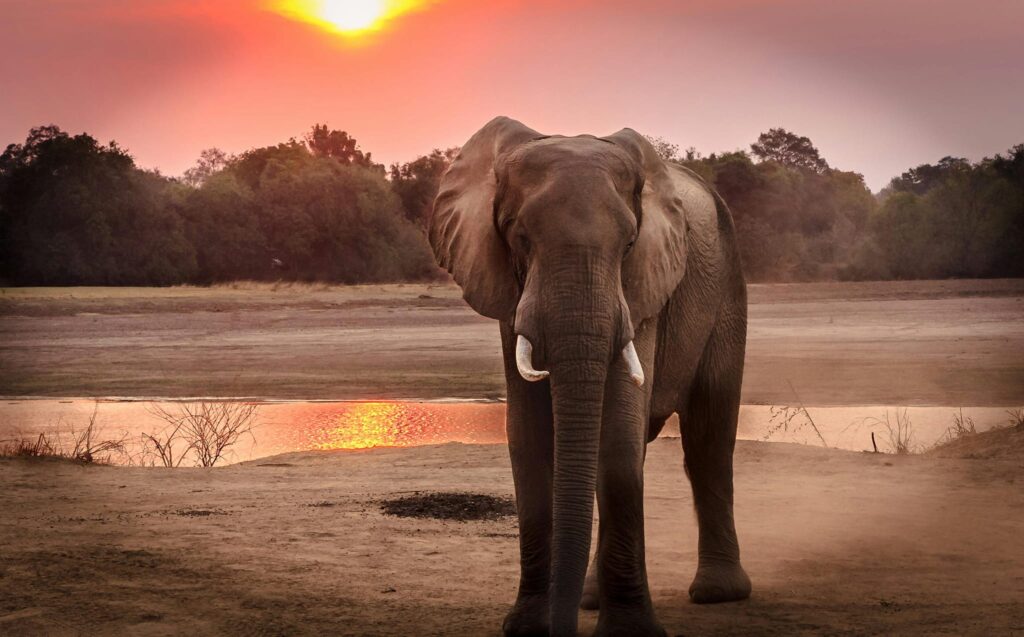
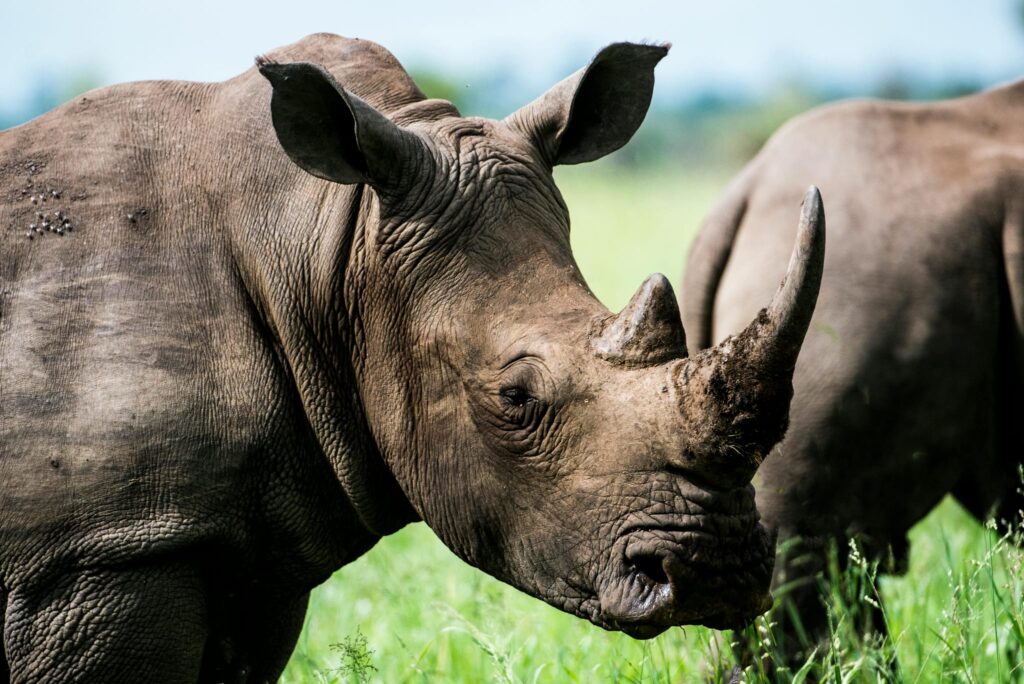
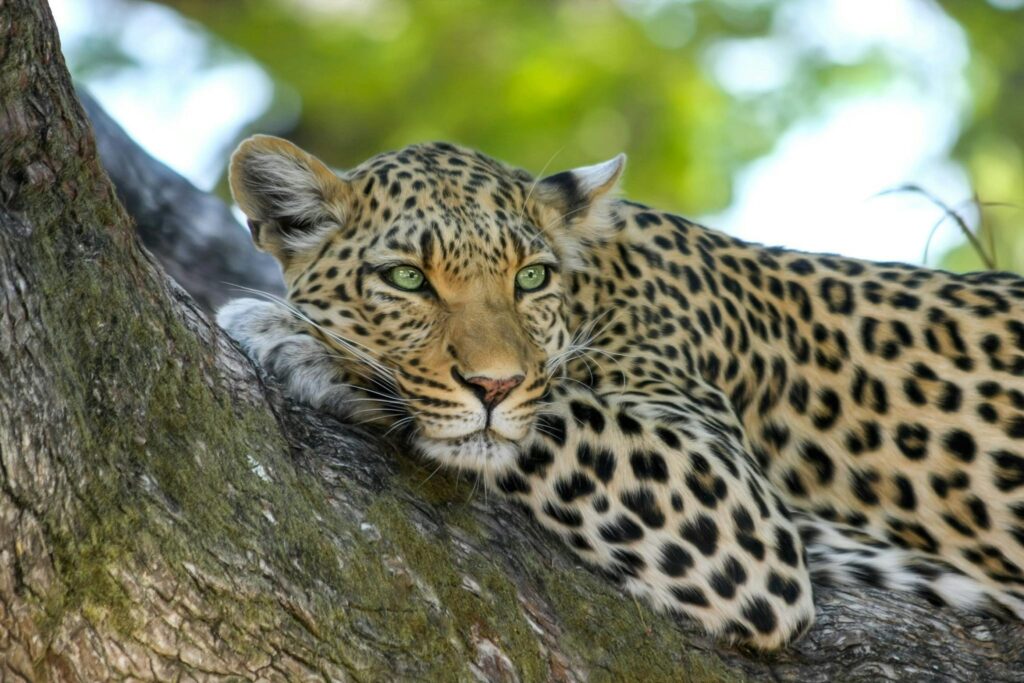

Embarking on a safari in Kruger National Park is a quintessential South African experience. Spanning nearly 20,000 square kilometers, this iconic park is one of the largest game reserves in Africa and home to an incredible diversity of wildlife, including the Big Five: lions, elephants, rhinos, leopards, and buffalo. Whether you’re a seasoned safari-goer or a first-time visitor, Kruger National Park offers an unforgettable journey into the heart of the African wilderness. Here’s a guide to making the most of your safari adventure.
Planning Your Safari
Best Time to Visit: The best time to visit Kruger National Park is during the dry winter months from May to September. During this period, the vegetation is less dense, making it easier to spot wildlife. The animals also tend to gather around waterholes, increasing your chances of seeing a variety of species. However, the park is a year-round destination, with each season offering unique experiences.
Accommodation Options: Kruger National Park offers a range of accommodation options to suit all budgets and preferences. These include:
- Rest Camps: The park’s main rest camps, such as Skukuza, Satara, and Lower Sabie, provide comfortable lodging with amenities like restaurants, shops, and swimming pools. They offer a variety of accommodations, including bungalows, safari tents, and cottages.
- Bushveld Camps: For a more intimate and secluded experience, consider staying at one of the smaller bushveld camps, such as Talamati or Biyamiti. These camps offer self-catering facilities and are ideal for those seeking a quieter, more exclusive stay.
- Luxury Lodges: If you’re looking for a more luxurious experience, there are several private lodges within the park and its surrounding private reserves. These lodges offer high-end accommodations, gourmet dining, and exclusive guided game drives.
Safari Activities
Guided Game Drives: One of the best ways to experience the wildlife of Kruger National Park is through guided game drives. These drives are led by experienced rangers who have an in-depth knowledge of the park and its inhabitants. Morning and evening drives are particularly popular, as these are the times when animals are most active. Some lodges also offer night drives, providing a chance to see nocturnal animals.
Self-Drive Safaris: For those who prefer to explore at their own pace, a self-drive safari is a great option. The park has a well-maintained network of roads and tracks, making it easy to navigate. Pick up a map at the entrance gate and set out on your own adventure. Be sure to follow the park’s rules and guidelines, and always maintain a safe distance from the animals.
Walking Safaris: For a more immersive experience, consider joining a walking safari. Accompanied by armed and knowledgeable guides, you’ll have the opportunity to explore the bush on foot and gain a deeper understanding of the ecosystem. Walking safaris offer a unique perspective on the smaller details of the park, such as tracks, plants, and insects, as well as the chance to encounter wildlife up close.
Birdwatching: Kruger National Park is a paradise for birdwatchers, with over 500 species recorded in the area. From the striking lilac-breasted roller to the majestic martial eagle, the park’s diverse habitats support a rich variety of birdlife. Bring a pair of binoculars and a bird guidebook, and keep an eye out for both resident and migratory species.
Top Wildlife Viewing Spots
Sabi Sands Game Reserve: Adjacent to the southwestern part of Kruger National Park, Sabi Sands Game Reserve is renowned for its exceptional wildlife viewing, particularly leopards. The lack of fences between Sabi Sands and Kruger allows animals to roam freely between the two areas. Private lodges within Sabi Sands offer exclusive game drives and a higher chance of spotting elusive predators.
Crocodile Bridge: Located in the southern part of the park, Crocodile Bridge is known for its high concentration of wildlife. The area around the bridge is a hotspot for lion and leopard sightings, as well as large herds of elephants and buffalo. The nearby grasslands and waterholes attract a variety of other animals, making it an excellent spot for game viewing.
Olifants River: The Olifants River, which flows through the central part of the park, is a scenic area that offers great opportunities for wildlife viewing. The river attracts large numbers of hippos and crocodiles, as well as a variety of bird species. The surrounding bushveld is home to elephants, giraffes, and other herbivores. Several lookout points along the river provide stunning views of the landscape and wildlife.
Hidden Gems
Mopani Rest Camp: Mopani Rest Camp is located in the northern part of the park and is named after the mopane trees that dominate the area. The camp offers a more tranquil and less crowded experience compared to the southern camps. The nearby Pioneer Dam is a great spot for birdwatching and game viewing, particularly in the early morning and late afternoon.
Pafuri Picnic Site: Situated in the far north of the park, the Pafuri Picnic Site is a beautiful and remote area known for its diverse wildlife and stunning landscapes. The Luvuvhu River Valley, with its fever tree forests and baobab trees, is particularly picturesque. The area is rich in birdlife and is also home to species such as nyala, eland, and bushbuck.
Timbavati Private Nature Reserve: Part of the Greater Kruger Park, Timbavati Private Nature Reserve offers an exclusive and intimate safari experience. The reserve is home to the famous white lions of Timbavati, a rare and beautiful genetic variant of the African lion. Staying at one of the luxury lodges in Timbavati allows for guided game drives and bush walks in a pristine and less-visited area.
Tips for a Successful Safari
- Stay Quiet and Patient: Wildlife sightings often require patience and a keen eye. Keep noise to a minimum and stay alert, as animals can appear suddenly. Early mornings and late afternoons are the best times for game viewing.
- Respect Wildlife: Always maintain a safe distance from animals and never attempt to feed or approach them. Follow the park’s rules and guidelines to ensure your safety and the well-being of the wildlife.
- Pack Essentials: Bring binoculars, a good camera, sunscreen, a hat, and insect repellent. Dress in neutral-colored clothing and wear comfortable shoes for walking.
- Book in Advance: Kruger National Park is a popular destination, especially during peak seasons. Book your accommodation and guided activities well in advance to secure your preferred options.
Kruger National Park’s vast landscapes and incredible biodiversity make it a premier safari destination. Whether you’re spotting the Big Five on a game drive, exploring the bush on foot, or simply enjoying the tranquility of the African wilderness, Kruger offers an experience like no other. Embrace the adventure and wonder of this iconic park, and create memories that will last a lifetime.
Explore our different trips
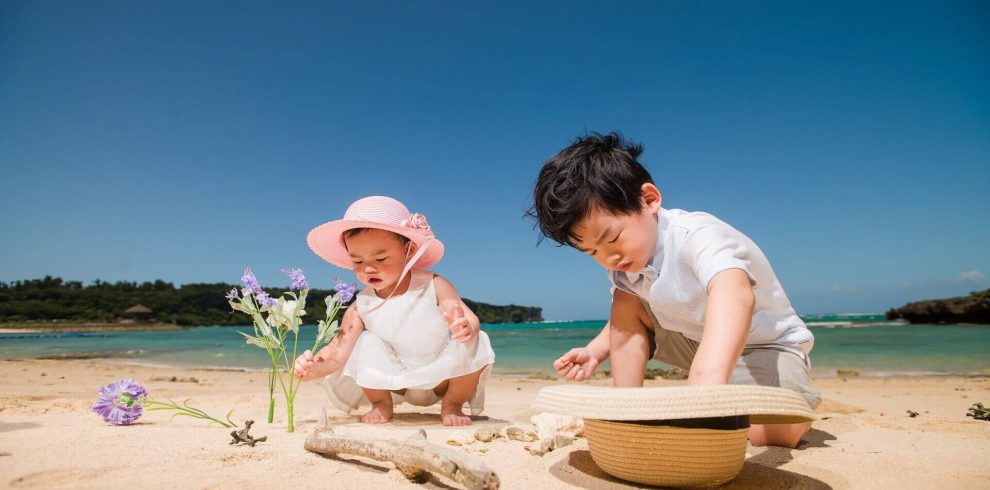
Child-friendly (5 Trips)
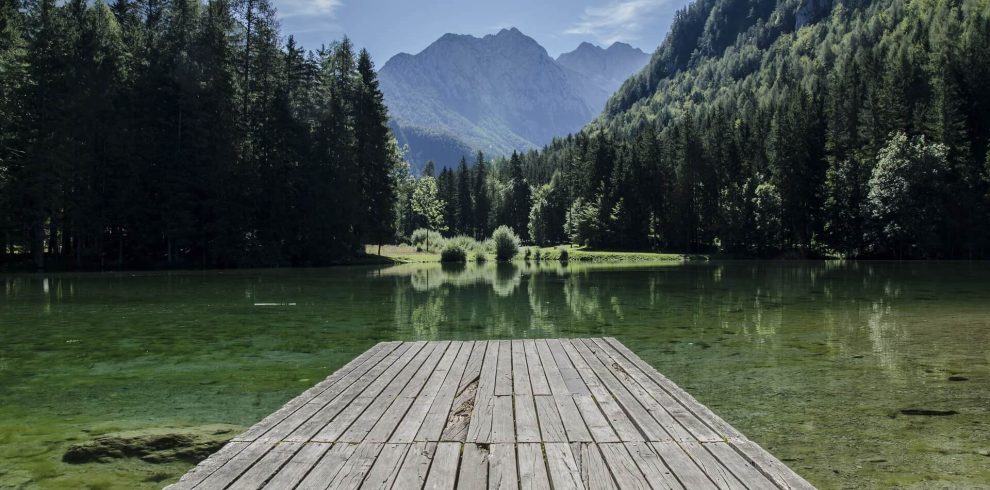
Nature Walk (4 Trips)
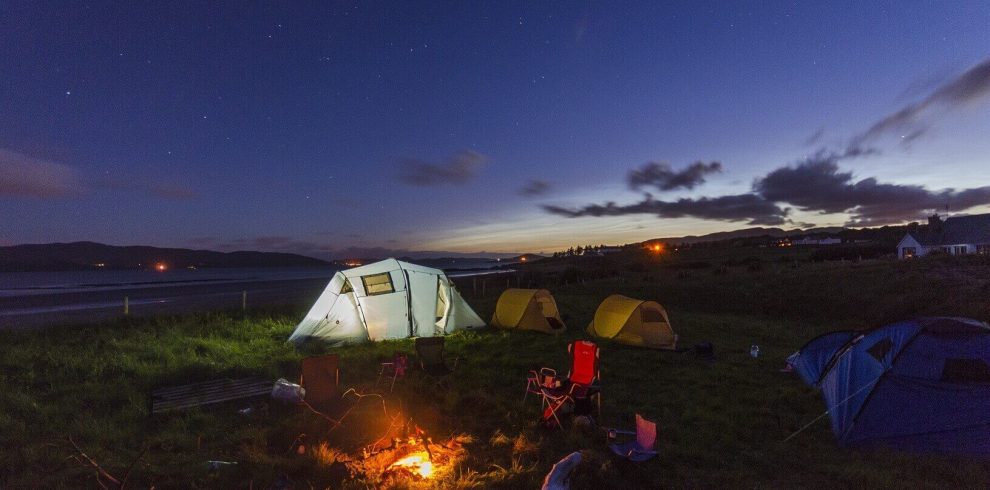
Weekend Trips (4 Trips)

Adventure Travel (7 Trips)
Nature Based Adventure (7 Trips)
Vacation Rental (4 Trips)
Adventure Cruises (5 Trips)